
Looking For a Private Investigator Near Me? Here Are 10 Things You Should Know Before Hiring
- Nov 10, 2025
- 5 min read
Are you facing a situation that requires professional investigation services but feeling overwhelmed by the process of finding the right private investigator? Whether you're dealing with a potential infidelity case, need thorough background checks for your business, or require assistance with a missing person investigation, choosing the wrong investigator can be costly and potentially damaging to your case.
Look no further than this comprehensive guide to help you navigate the complex world of private investigation services. While the field of private investigation might seem daunting to newcomers, understanding these ten critical factors will empower you to make an informed decision and find a professional who can provide you with the peace of mind you deserve.
1. Verify Licensing and Credentials First
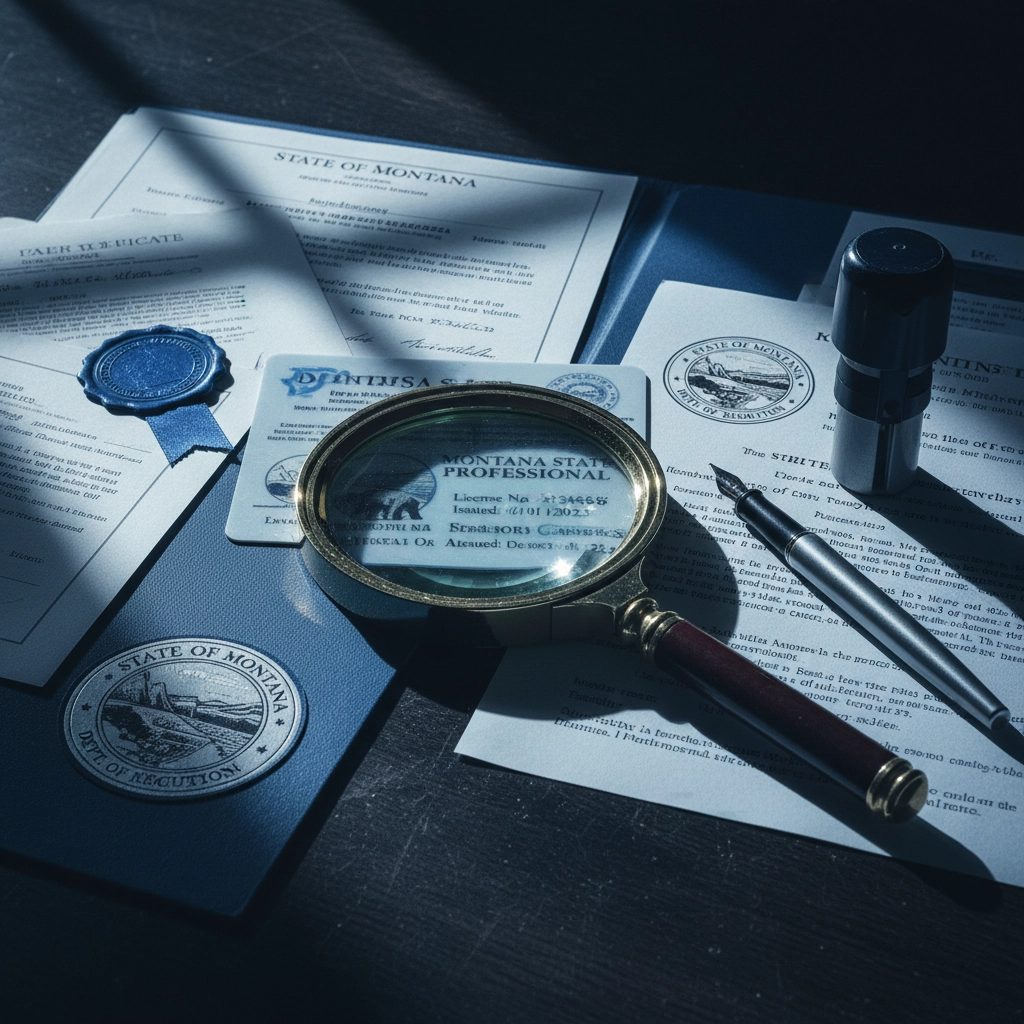
The most crucial step in your search is confirming that any private investigator you consider holds proper licensing in Montana. Every legitimate investigator must be licensed by the state's regulatory authorities, and you have every right to request to see their license card and verify its authenticity.
Never work with unlicensed investigators, regardless of how competitive their pricing might seem. Unlicensed operators expose you to significant legal and financial risks, and any evidence they gather may be inadmissible in legal proceedings. Take the time to contact Montana's regulatory department to confirm your investigator's credentials are current and in good standing.
2. Assess Their Experience and Background
Your investigator's experience level directly impacts the quality of results you can expect. When evaluating potential candidates, ask detailed questions about their professional background, specialized training, and specific experience handling cases similar to yours.
Many of the most effective private investigators bring valuable skills from previous careers in law enforcement, accounting, legal services, or military intelligence. These backgrounds provide them with unique insights into investigative techniques, legal procedures, and evidence handling that can significantly benefit your case.
Don't hesitate to request that they describe two or three past projects, including their approach and strategy for each. A professional investigator should be able to discuss their methodology while maintaining client confidentiality.
3. Match Their Specialty to Your Needs
Private investigation is a diverse field with numerous specializations, and you'll get the best results by choosing an investigator whose expertise aligns with your specific requirements. Some investigators focus on surveillance and infidelity cases, while others specialize in corporate investigations, background checks, missing persons, or forensic accounting.
If your case involves potential workers' compensation fraud, you'll want an investigator experienced in insurance investigations and surveillance techniques. For matters involving digital evidence or cybersecurity breaches, seek someone with technical expertise in these areas.
Take time to understand each investigator's primary areas of focus and select one whose skills directly match your situation.
4. Research Their Professional History
Before making your final decision, conduct thorough research into each investigator's professional history and reputation. Check with Montana's regulatory database to identify any disciplinary actions, license suspensions, or ethical violations in their past.
A clean professional record indicates reliability and adherence to industry standards. When possible, ask for references from previous clients or attorneys who have worked with the investigator. While they may not be able to discuss specific case details due to confidentiality requirements, they can speak to the investigator's professionalism, reliability, and quality of work.

5. Understand Their Fee Structure Completely
Private investigation services involve various cost structures, and understanding these upfront prevents unwelcome surprises later. Most investigators charge hourly rates, flat fees for specific services, or require retainer fees to begin work on your case.
Determine your budget before beginning your search and be upfront about your financial parameters with potential investigators. Ask for detailed explanations of their billing practices, including how they handle additional expenses such as travel costs, surveillance equipment, background check fees, or report preparation time.
Request quotes from multiple qualified investigators to compare their rates and services. Remember that the lowest price doesn't always represent the best value if it comes with compromised quality or limited experience.
6. Confirm Legal and Ethical Compliance
Your investigator must operate within the bounds of Montana law and maintain strict adherence to ethical guidelines. Ask specific questions about how they ensure legal compliance throughout their investigations, particularly regarding privacy laws, surveillance regulations, and prohibited investigative methods.
Legitimate investigators will never engage in illegal activities such as hacking into private accounts, impersonating law enforcement officers, or using pretexting to obtain protected information. They should be well-versed in the legal limitations of their work and able to explain how they navigate these restrictions while still providing effective results.
Any investigator who suggests questionable or potentially illegal methods should be immediately removed from consideration.
7. Evaluate Their Confidentiality Policies
Private investigations involve highly sensitive information, and you need absolute confidence that your personal details and case information will remain secure. Before sharing any information about your situation, understand the investigator's confidentiality policies and data protection measures.
Ask specific questions about who has access to your file, how they store sensitive information, whether they use encrypted communications, and what happens to your data after the case concludes. Professional investigators should have clearly defined policies for protecting client privacy and be willing to discuss these measures in detail.
8. Request a Clear Investigation Plan
A qualified investigator should be able to outline a specific strategy tailored to your unique situation before beginning work. During your consultation, ask them to explain their planned approach, what methods they'll use, and how they'll maintain discretion throughout the investigation.
This discussion serves multiple purposes: it demonstrates their professionalism and expertise, helps you understand what to expect during the investigation process, and ensures their approach aligns with your goals and comfort level.
Be wary of investigators who can't clearly articulate their methodology or seem to use a one-size-fits-all approach to different types of cases.
9. Discuss Communication and Reporting
Establish clear expectations for communication throughout your case. Understand how often you'll receive updates, what format these communications will take, and how quickly you can expect responses to your questions or concerns.
Ask about their final reporting process as well. A professional investigation report should include comprehensive findings, supporting documentation such as photographs or video evidence, and be presented in a format that's easy to understand and potentially usable in legal proceedings.
Clarify the timeline for receiving your final report and whether they provide ongoing consultation to help you understand and act on their findings.
10. Evaluate Their Success Rate and Communication Skills
During your initial consultations, assess both the investigator's track record and their interpersonal skills. While every case is unique and success can't be guaranteed, experienced investigators should be able to discuss their general success rates and provide insights into factors that contribute to positive outcomes.
Pay attention to how well they communicate during your initial interactions. Do they listen carefully to your concerns? Do they ask thoughtful questions about your situation? Are they responsive to your calls and emails? These soft skills are just as important as technical expertise because you'll be working closely with this person during a potentially stressful time.
Your investigator should make you feel comfortable discussing sensitive topics while maintaining a professional demeanor throughout your interactions.
Moving Forward with Confidence
By carefully evaluating potential investigators across these ten critical areas, you're positioning yourself to make an informed decision that serves your best interests. Remember that choosing the right private investigator is an investment in achieving the results you need while protecting your privacy and ensuring legal compliance throughout the process.
At Billings Private Investigation Services, our experienced team understands the importance of providing high-quality, discreet, and professional investigation services to help you navigate your unique situation. We're committed to delivering comprehensive results while maintaining the highest standards of confidentiality and legal compliance.
Don't let uncertainty prevent you from getting the answers you deserve. Contact us today to discuss your case with a qualified professional who can provide you with the expertise and peace of mind you need.
Meta Description: Discover the 10 essential factors to consider before hiring a private investigator. Learn how to verify credentials, understand costs, ensure legal compliance, and choose the right PI for your specific needs in Montana.
Comments